
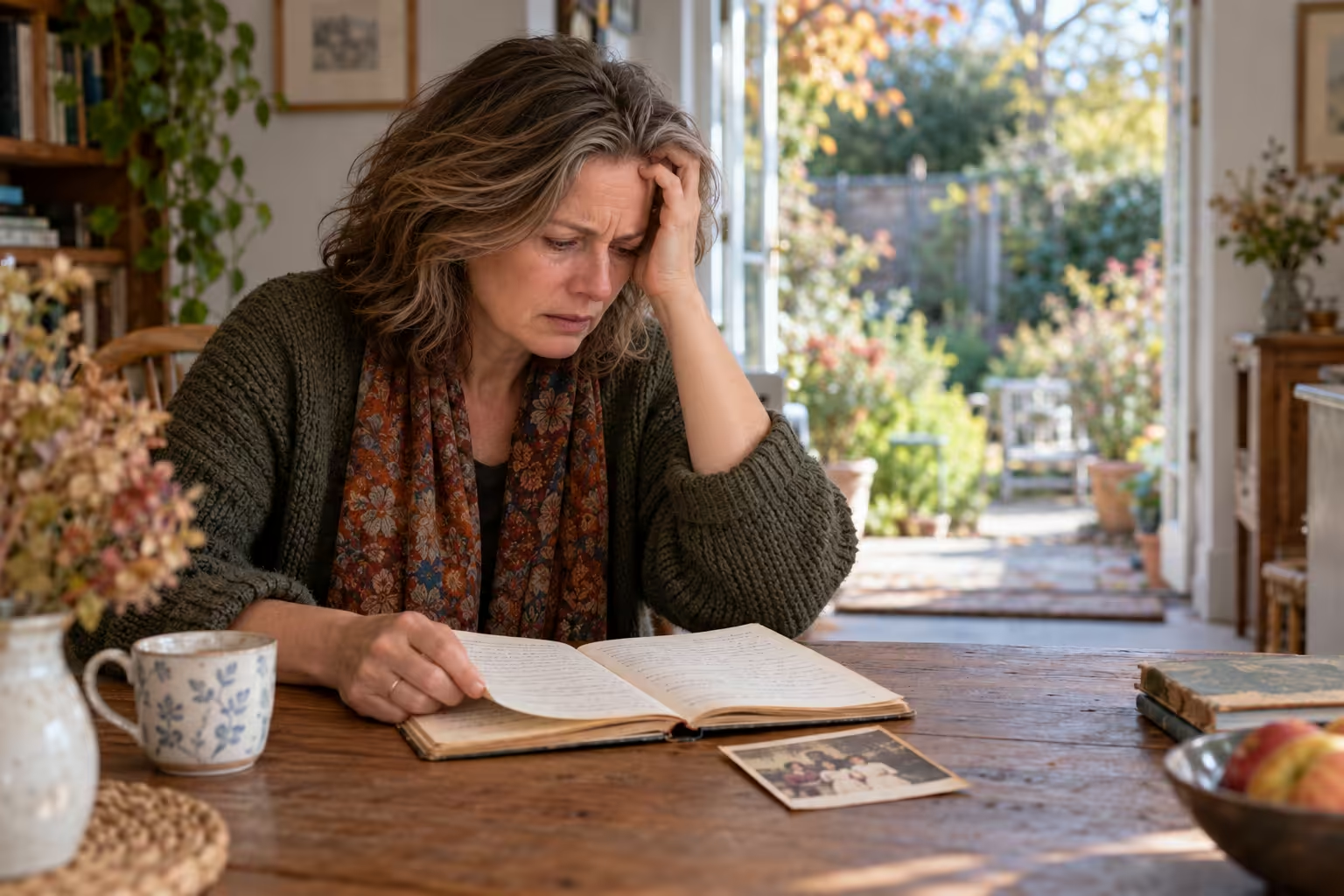
Bereavement usually means losing someone we love. But there is another kind of grief: mourning the person we imagine we could have become.
For some adults, it begins with their child’s diagnosis. They sit listening to an explanation of ADHD, autism or dyslexia and find themselves thinking: “Hang on. That sounds like me.”
Then comes the “aha”.
Perhaps that explains the school reports, the unfinished tasks, the feeling of being out of step. Perhaps “lazy”, “difficult” or “stupid” were judgements they need never have carried.
That recognition can bring enormous relief. But on its heels may come anger.
“Why didn’t anyone notice?”
“Why was I blamed?”
“What might I have achieved if someone had helped?”
They find themselves grieving a childhood with more understanding, a different education, a career they might have pursued. Although their life has not suddenly disappeared, they are looking back at it through a new lens—and seeing losses everywhere.
Those feelings deserve attention. So does the story growing around them.
We live in a culture increasingly fluent in diagnostic language. Labels appear in everyday conversation, social media biographies and explanations of behaviour. It can seem that every difficulty needs a name before it deserves understanding.
I question that.
A diagnosis can identify genuine needs and help someone find useful support. But I am wary when it becomes an explanation for absolutely everything, or a reason to stop asking what can change. Understanding a difficulty still leaves us with choices about how we respond to it and how we treat other people.
There is another question worth asking: what do you wish that earlier label would have given you?
Someone who believed you?
More patience?
Practical help?
Permission to learn differently?
Freedom from the conviction that you were somehow inadequate?
These are substantial things to have missed. Naming them helps us understand what actually hurts, rather than leaving the whole of life under the heading “if only”.
And “if only” can be a persuasive storyteller. It writes an alternative childhood with sympathetic teachers, understanding parents and just the right help at just the right moment. There may well have been missed opportunities. Yet an earlier diagnosis could never have guaranteed that everything would turn out beautifully. No childhood comes with that warranty.
We can acknowledge what was missing without spending the rest of our lives trying to inhabit the life we didn’t have.
It is also worth looking again at the life we did have. The abilities developed, the relationships sustained, the problems solved. A new explanation should leave room for those achievements. They still belong to you.
In my work, I am interested in what happens next. We can explore old feelings of shame, disappointment and anger, while building confidence in the person here today. We can ask what support would help now, what habits are worth changing, and what you would like to attempt if that old judgement loosened its grip.
You don’t have to keep calling yourself stupid. You don’t have to prove that every setback had the same cause, either.
Perhaps the most useful question eventually becomes:
“Knowing what I know now, what would I like to make possible?”
There is still a life ahead of you. It deserves some of the attention the past has been receiving.
If regret and old judgements are taking up too much space in your present, you are welcome to contact me at Equinox Hypnotherapy for a free, 30-minute consultation.